Blog

  • Budgeting For Preppers: Getting What You Need Beforehand

    Budgeting For Preppers: Getting What You Need Beforehand

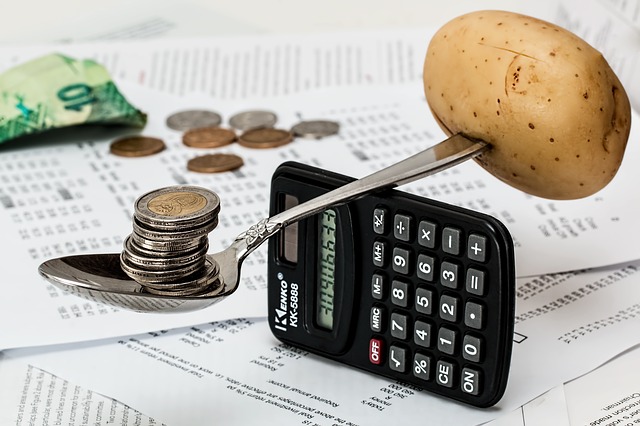
    Budgeting is a very useful skill that most preppers should have. The best time to prepare for an emergency is during times of peace. Once disaster strikes, it’s usually too late to prepare because everything will be confusing and haywire.

    However, to stockpile items during peacetime will require money. While some items will last a long time like candles, first aid bandages, etc. other items like food and water are perishables and will expire with time. So, you should be aware of when to consume the perishables before they expire and also to replenish the stocks.

    When stockpiling items, you may need to purchase things that you may never use but will be essential during an emergency. One good example is waterproof matches. Water purification tablets are another item that one will probably never use during normal day-to day life.

    However, in the event of a flood, where the water supply gets contaminated, these water purification tablets will be a life saver.

    Ideally, you should get a guide on emergency preparedness that will show you what items you should be stockpiling and what items will need to be part of you first aid kit, etc. You could search online for tips and tricks too.

    When planning your budget, you should know roughly how much food your family and you consume daily. This will allow you plan just how much to buy. The duration you wish to stay prepared will also have an impact on your budget.

    For example, stockpiling enough food for 2 weeks will be a lot less expensive than if you were preparing to be ready for 3 months. You’ll need to decide just how long you wish to be prepared for.

    When it comes to purchasing food items, you should purchase canned food and other food that can last a long time.

    It would be a good idea to take inventory of all the food and write down the expiry dates too so that you can consume the food before they expire and prevent wastage.

    For non-perishable items like first aid kit equipment, fuel, batteries, shelter, etc. you’ll need to make a list of the most import items and purchase those first. Items like candles, flashlights, batteries, water purification tablets, first aid equipment, etc. are important items that should be stockpiled in the house.

    When making a list, have categories so that it’ll be easier and more organized. Now you will have a detailed list and know exactly what items you need. You can prioritize which items are most important and buy those first.

    There is no need to buy all the items at once. You may gradually buy what you need so that it doesn’t eat into your budget and put you in debt. As long as you stockpile the items in a slow and consistent manner, you will be prepared.

    The most important items for survival are food and water. Make sure you have ample amounts stockpiled. Depending on where you are, you might need ammo and guns for hunting or self-defense. So, keep those in mind too.

    Shop around before you buy your items. Write the prices all down and speak to the store owner and negotiate for lower prices if you’re buying in bulk.

    Even if it’s just a fifty cents cheaper, when it all adds up, you will be amazed at just how much you’ve saved. So, do the math and see how much you’ll need to fork out and slowly become prepared.
  • The Importance of Having a Tactical Flashlight

    The Importance of Having a Tactical Flashlight

    One of the best pieces of equipment any self-respecting prepper or survivalist should have is a tactical flashlight. To a layman, a tactical flashlight may seem just like any other flashlight. However, the opposite is true and a tactical flashlight is extremely useful.

    Let’s see how a tactical flashlight differs from a normal flashlight.

    Firstly, they’re constructed with a very high grade of aluminum that makes them extremely hard and durable. That makes these flashlights perfect for self-defense.

    In fact, there are self-defense classes that are conducted specifically to show people how to defend themselves with these flashlights.
    Unlike normal flashlights that are made of plastic or cheap metal, these tactical flashlights will not get bent out of shape and can take a blow without getting damaged.

    Secondly, tactical flashlights have a much higher lumens light. While a normal flashlight may be at 15 to 20 lumens, a tactical flashlight could be at 200 lumens or higher.
    This is very effective in a self-defense scenario where the light can temporarily blind the person trying to attack you. This will give you an edge in the fight.

    Other than that, having such a bright torchlight is perfect for illuminating an entire room during a power outage. If you’re outside in the dark and need to look out for obstacles, pot holes, etc. that may be dangerous, these flashlights will be way better than a normal flashlight at guiding you in the dark.

    Another benefit is that if you’re stranded on a highway or somewhere that’s isolated, these flashlights are bright enough to attract attention even from a distance and get you help.

    During a survival situation, things may get dangerous if law and order collapses.

    Looting, crime sprees, muggings, etc. will go up as unsavory characters are emboldened and go about breaking the law.
    Having a firearm is essential during times like these to protect your family and you. Statistics show that most attacks occur in the night when visibility is low. Using a tactical flashlight together with a firearm is very effective.

    You may have seen countless TV shows where the detective enters a dark room with a flashlight in one hand and the gun above it. This is not for style and it’s actually known as the Harries technique which is very effective.

    There are several other techniques such as the neck index, chapman technique, etc. It would be best for you to enroll in a firearm class that teaches you how to use these tactical flashlights together with a firearm.

    Do note that tactical flashlights are definitely more costly than the average flashlight. They range in prices depending on the brightness, features, construction materials, etc. There are many reputable brands like Streamlight and Fenix that have a wide variety of models for you to choose from.

    It would be a good idea to check what batteries the flashlight uses. You want it to use batteries that are easily accessible like double AA batteries. If you choose a flashlight that only uses a special rechargeable battery, during an emergency if you’re unable to recharge the battery, your flashlight will be rendered useless.

    Do note all these points and make a tactical flashlight as part of your survival kit. It has too many uses to list down here and you’ll only understand how valuable one is when you’re in a situation where you need a bright flashlight. All preppers need a tactical flashlight. Period.

  • How To Prepare A Useful Survival First Aid Kit

    How To Prepare A Useful Survival First Aid Kit

    A first aid kit is one of the most vital pieces of equipment you’ll need if disaster strikes. It is almost inevitable for there to be injuries and casualties when a crisis occurs. Having a well-prepared and stocked first aid kit can literally be a lifesaver during an emergency.

    Survival first aid kits differ from regular first aid kits because they contain a lot more things. Preparing for a survival situation will require more than just a couple of band aids and mosquito cream.
    Survival situations may have people who are badly injured or who have sustained life threatening injuries.

    A survival first aid kit needs to be much more comprehensive. It will have to be large enough to have lifesaving equipment but it also needs to be light enough so that it’s portable. You should always have a specific place in your house where you keep the first aid kit. During an emergency, you do not want to be running around looking for it.

    It’s also of paramount importance that you check the kit at regular intervals to make sure that the antiseptics, medication, bandages, etc. have not expired. It may be shocking to know that most houses do not even have basic first aid kits. A couple of band aids in the drawer is about all they have.

    During a disaster which can occur at any time due to inclement weather, freak accidents, terrorist attacks, etc. people in these houses who may be injured will have a hard time treating their wounds and injuries. Thorough preparation makes its own luck… and if you’re well prepared, your chances of survival will be higher.

    Now, you may either purchase a survival first aid kit online or pack one yourself.

    Do note that the kits will vary in size. Some may have the bare necessities while others will be fully equipped to deal with most emergencies. However, these kits can be quite costly.

    It is best to put together your own first aid kit. Not only will it save you a hefty chunk of cash but you’ll be able to prepare one that suits your individual needs best.

    For example, if one of your family members is diabetic and needs insulin shots daily, having syringes in the first aid kit will really help.

    Below you’ll find a list of things most first aid kits should have.

    Use this list as a guideline to stocking up your first aid kit. Remember that the quantities of the items will need to be in proportion to the size of your family. The more members in your family, the more aspirin, wipes, etc. you’ll need.

    * 1 adhesive cloth tape (10 yards x 1 inch)
    * 1 blanket (space blanket)
    * 1 breathing barrier (with one-way valve)
    * 1 instant cold compress
    * 1 roller bandage (3 inches wide)
    * 1 roller bandage (4 inches wide)
    * 2 absorbent compress dressings (5 x 9 inches)
    * 2 hydrocortisone ointment packets (approximately 1 gram each)
    * 2 packets of aspirin (81 mg each)
    * 2 pair of non-latex gloves (size: large)
    * 2 triangular bandages
    * 25 adhesive bandages (assorted sizes)
    * 5 antibiotic ointment packets (approximately 1 gram)
    * 5 antiseptic wipe packets
    * 5 sterile gauze pads (3 x 3 inches)
    * 5 sterile gauze pads (4 x 4 inches)
    * Burn gel
    * Extra batteries
    * Eye wash kit
    * First aid instruction booklet
    * LED flashlight
    * Medical grade super glue (cyanoacrylate base)
    * Necessary medications for family members
    * Oral thermometer (non-mercury/non-glass)
    * Scissors
    * Suture kit
    * Tweezers

    For more information, you may wish to visit The American Red Cross website which has a detailed list of items that you could include in your first aid kit.

    Other than these items, you should consider what else your family usually needs such as anti-allergy medication, etc. Keep a list of your family members’ medical history, blood types, if they’re allergic to any medication, etc.

    You’ll also want to keep a list of contact numbers of emergency services and also the numbers of your next of kin who may need to be informed should the need arise. All these lists should be kept in the first aid kit. In the event of a crisis, they will be very useful to the first responders at the scene.

  • Important Survival Equipment You MUST Have!

    Important Survival Equipment You MUST Have!

    A survival kit is one of the best things that any home could have. In fact, it’s so useful that you may even have one in the boot of your car. While most people will never be in a situation where they’ll need a survival kit, it doesn’t hurt to have one just in case an emergency arises.

    Being prepared for any unforeseen event will raise your chances of survival and will ensure the safety of you and your family.

    In this post, you’ll find a list of the basic items that any survival kit should have. These items will be very useful during natural disasters, power outages, etc. In the event where you’re unable to leave your house, the survival kit will help you to fix many issues that may arise.


    Now let’s look at the list of items.

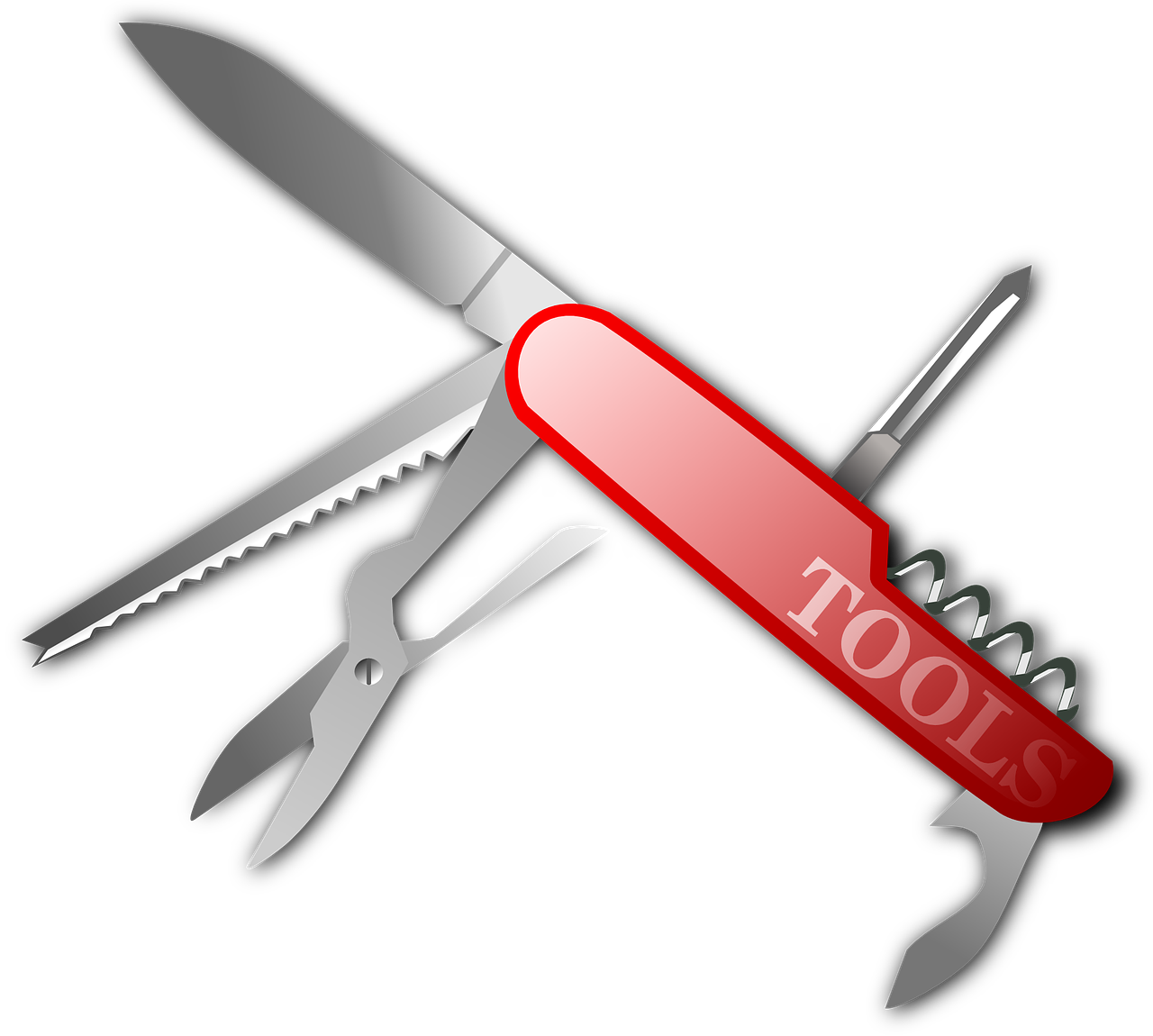
    * A multi-use tool (such as a Leatherman or Swiss army knife)
    * A plan of action
    * Bottled water (at least one gallon per person per day)
    * Communication items (such as a portable radio)
    * Documentation (identification, medical history and medication lists, emergency contacts)
    * Extra clothing, blankets, etc.
    * First aid kit
    * Health and sanitation supplies (toilet paper, soap, hygiene products)
    * LED flashlights
    * Map
    * Non-perishable food items
    * Plenty of batteries
    * Waterproof matches or lighter
    * Weather protection: sunscreen, hats, rain jackets, etc.

    It’s always best to have a plan of action all written down beforehand that covers different scenarios and how you’ll act. This will guide you during a crisis when panic strikes and you might not be able to think too clearly due to all the commotion.

    It’s also a great idea to have one specific spot in your house where you keep your survival kit. In the event of a disaster, you’ll immediately be able to get it and be ready and good to go.

    Besides a survival kit, you should also have a well-stocked first aid kit that is suitable for survival. You’ll need to have more than just band aids and antiseptic cream – see here for more details on what you’ll need.

    Besides just having a first aid kit, you may wish to take up a first aid course that will help you develop the skills you need to treat wounds, infections, etc. These skills will be extremely useful in times of need and may mean the difference between life and death for someone who is in need of urgent help.

    The truth of the matter is that most people will never be in a situation where they’ll need a survival kit or even first aid skills for that matter. However, it would be complacent to think that such crises only happen to other people. It’s best to be prepared and have what you need at hand so that you’ll be ready to cope with an emergency when it occurs.

    The best time to prepare for an emergency is during peace time. Prepare whatever you need to and learn whatever you need to. The skills you pick up will serve you well and you’ll be an asset during a crisis. You’ll be better able to protect yourself and your family during an emergency.

  • Methods of Storing Food For The Long-Term

    Methods of Storing Food For The Long-Term

    Food and water are probably two of the most precious commodities during a disaster or crisis that results in a shortage of both. Floods, earthquakes, power outages, etc. can result in a situation where obtaining food from the supermarket or store is next to impossible.

    That is why it’s always a good idea to stockpile food at home just in case such a situation occurs. However, food is a perishable item so it comes with its challenges. Knowing how to store food for the long term is a very useful skill to have.
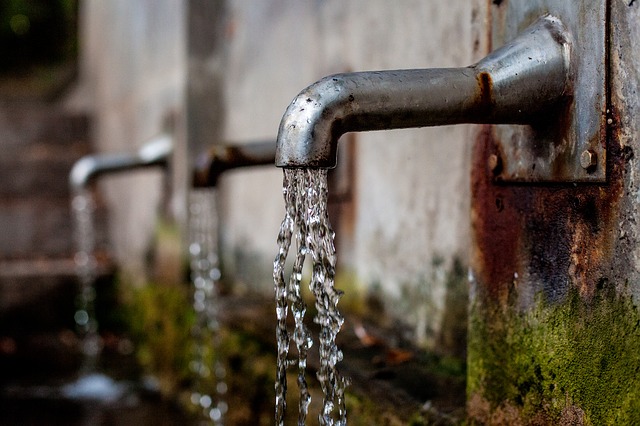
    The problem here is that no one knows how long the situation is going to last or how soon help is going to arrive. In really bad scenarios, it may be a couple of weeks before the disaster can be sorted out and help can arrive.

    One good example would be major floods that cause tremendous damage to the roads and infrastructure. This will make the affected areas inaccessible to vehicles transporting supplies, etc. Help on the outside will need to figure a way to remedy the problem. This will take time… and it’s during this waiting time, you will need food to tide yourself through this difficult situation.

    At the very least, if you’re prepping for such scenarios, it would be a good idea to have a minimum of 3 to 4 days’ worth of food and water. It would be better if you could stockpile enough food to last at least 2 weeks. When storing water, about 1 gallon of water per person in your family should suffice. Do remember to include the children and pets too.

    It would be a good idea to store food that is nutritious and contains the calories and nutrients that your body will need. Examples, would be canned sardines, peas, etc. Pop tarts, candies and chocolates are not good items to be stockpiled as food for survival. Sure, you may have some stored aside to provide some pleasure during a trying situation, but for the most part, the food must provide sustenance.

    The amount of food you stockpile should provide each person at least one meal a day. So, you may need to calculate just how much food you will need for your family and how long it will last, etc.


    When buying food for long-term storage, it’s best to stick to canned food and dry food that will last for about 3 to 6 months. Do make a list of all the food and their expiry dates. This will allow you to easily remember when to consume food that is about to expire and replace them with new food.

    It will be a good idea to get food that your family likes to eat. By consuming the rations that have not been used, you and your family will get used to eating them. Many preppers buy field rations and MRE’s from military stores because they believe that this food is better for survival.

    It’s not. More often than not, most people do not like eating these foods and during a situation where there isn’t access to normal food, your family members will be reluctant to eat these rations that they’re not used to. So, purchase food that everyone likes to eat.

    Some examples of food that last a long time are:

    * Crackers
    * Powdered milk
    * Peanut butter
    * Granola bars,
    * Protein bars,
    * Nuts
    * Canned tuna… and most canned food.

    Dedicate a shelf or pantry to store all your emergency food. Keep them in airtight containers or zip lock bags. Label all the containers and mark anything with the ‘opened on’ date if it was opened for consumption. Check on your food at scheduled intervals and make sure that everything is still edible and your stockpile doesn’t have expired items.

    Having a stockpile of food that your family can depend on in times of need will be very useful should the situation arise where food is scarce. Start preparing TODAY.

  • Sanitation Tips For When Disaster Strikes

    Sanitation Tips For When Disaster Strikes

    Disasters can strike at any time and in any place. Floods, tsunamis, earthquakes, power outages, terrorist attacks and many other unforeseen events can occur and throw your life into helter-skelter. Knowing what to do during such events is of paramount importance when it comes to ensuring your safety and survival.

    During a time of crisis, very often people are in shock and reeling from what has just taken place. Not much though is given to sanitation because it slips to the back of their minds since everything else seems to be getting their attention.

    However, staying clean and maintaining hygiene and sanitation is crucial to preventing sickness and disease from taking root in your body. This article will list a few tips that you should follow to stay healthy and sane.

    * Follow Instructions from the Authorities
    Usually, during an emergency, there will be first responders and directions from the authorities to help you stay calm and avoid danger. For example, if there’s a forest fire, dust masks may be given out to protect your lungs from the pollutants.

    If there’s a flood, you might not be able to drink the water from your tap or use the water in your shower. Listen to the authorities and follow their instructions accordingly. They’ll have a plan of action for you.

    * Focus on your Hygiene
    Just because times are difficult and your surroundings are a mess isn’t a reason for you to let yourself go. Wash your hands often and try not to touch your face. If you have injuries or cuts, keep the wounds clean and sterilized if possible.

    The goal here is to prevent the spread of germs which can lead to infections and health problems.

    * Only use Potable Water
    Only drink and bathe in potable water. It would be wise to stockpile as much safe drinking water as you can. This can be used for cooking too. You’ll need this water to wash your hands, take quick showers and brush your teeth.

    * Making Water Safe
    If you have distilled water, this will be great for cleaning wounds or washing your hands. In the event that you don’t have distilled water, you can boil water, let it cool and then clean your wounds with it.

    Depending on the quality of the water, you may need to filter it or disinfect it too.

    When there are no other options besides the water around you or in the tap, you might have to doctor the water so that it is safe to use. This typically involves filtering, boiling or disinfecting the water that you have available to you.

    To filter water, first boil it till it reaches boiling point for a minute. Then allow the water to stand for 2 minutes so that the sediment settles at the bottom. Next, gently pour the water off the top into another clean jar and allow it to cool before sealing it.

    Disinfecting the water will require you to use water purification tablets. That’s why it’s always good to keep these handy for times of need. You may also add household bleach that is unscented. Use 1/8 of bleach per gallon of water. Stir it well and allow it to sit for thirty minutes before use.

    If the electricity is out or circumstances are such that you can’t boil water, you can use the water in your heater tank or even in the toilet tank. The toilet tank is NOT the toilet bowl. Just ensure that the water in the toilet tank has not been treated with cleaning agents.
    You can always collect running rainwater for use too. Avoid collecting from stagnant bodies of water. Usually, these could be infected and be full of germs.

    Besides water, use antibacterial sprays or gels to sterilize common areas or yourself if you are in a mess. Wet wipes work just as well too. It may be difficult to stay clean and hygienic but the extra effort will help you be healthy and disease-free till help arrives and the situation is under control.